
The Historic Villages of Shirakawa-go and Gokayama
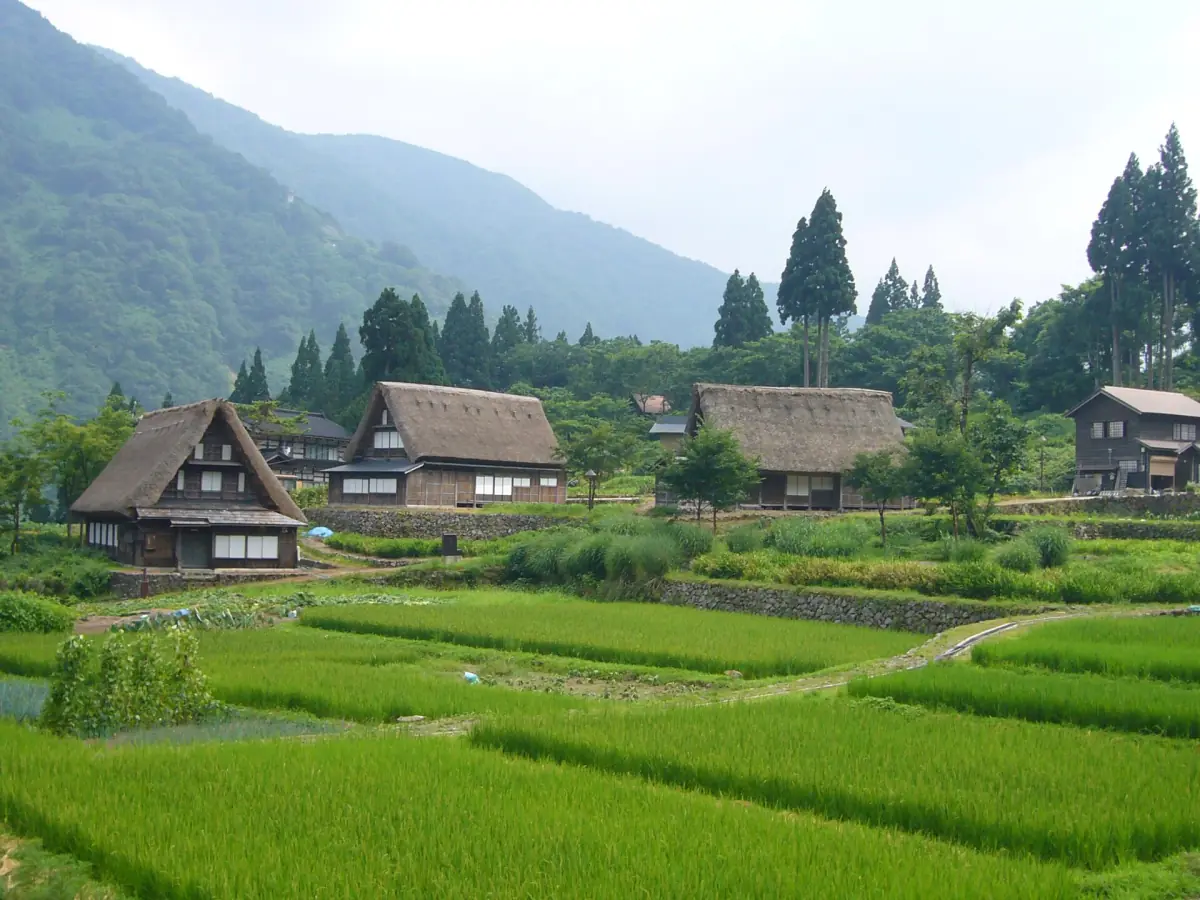
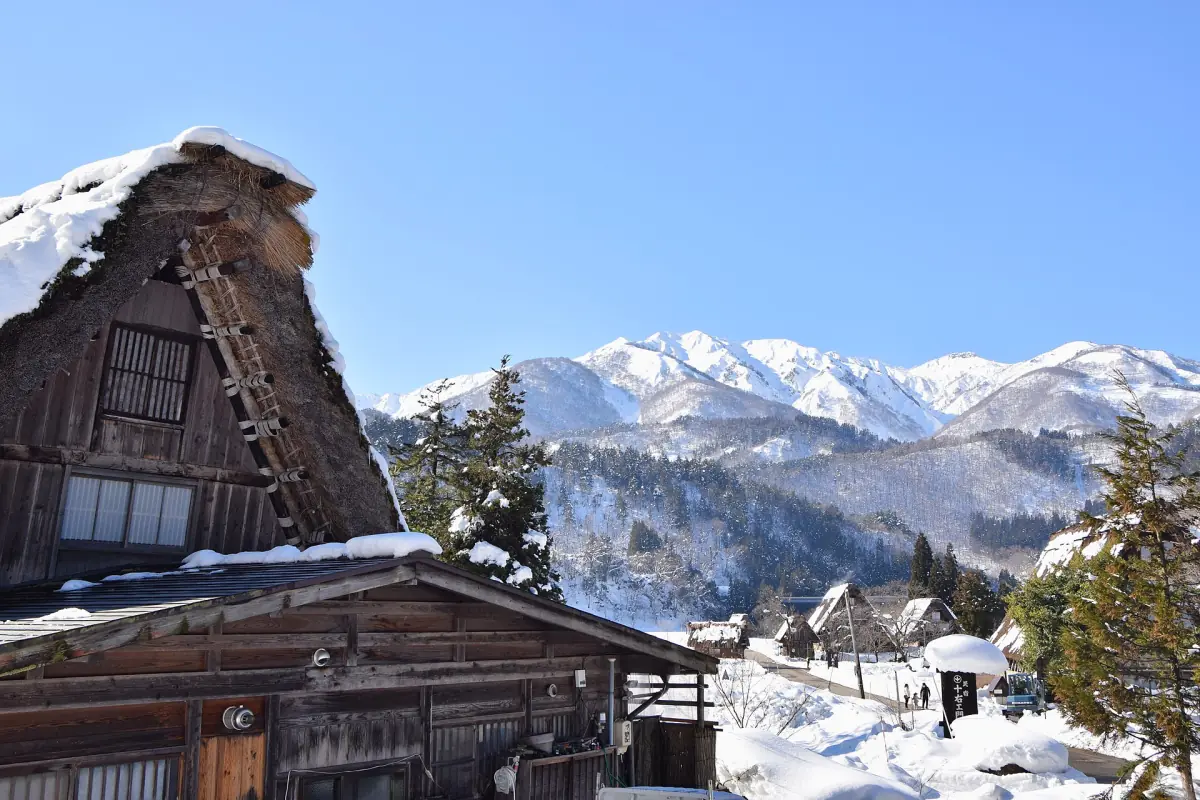
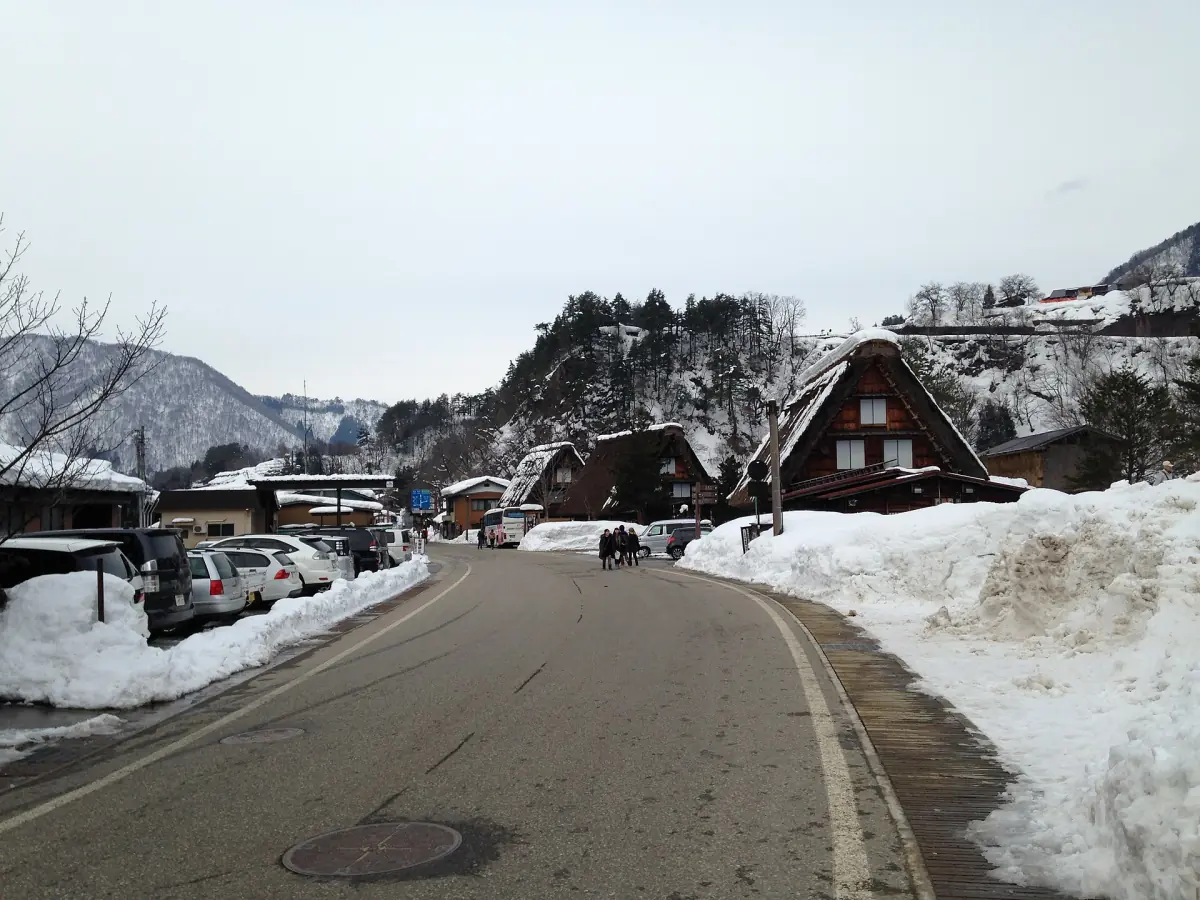
The Historic Villages of Shirakawa-go and Gokayama were inscribed on the UNESCO World Heritage List in 1995 under criteria (iv) and (v). The site is not a single museum but three villages: Ogimachi, Ainokura and Suganuma. Ogimachi lies in Gifu Prefecture, while Ainokura and Suganuma belong to Gokayama in Toyama Prefecture.
The protection reaches beyond the houses. Fields, forest, roads and watercourses of Ogimachi belong to the historic cultural landscape as well. Shirakawa-mura as a whole has 1,452 residents in 616 households as of 1 October 2026; that figure covers the entire municipality, not Ogimachi alone.
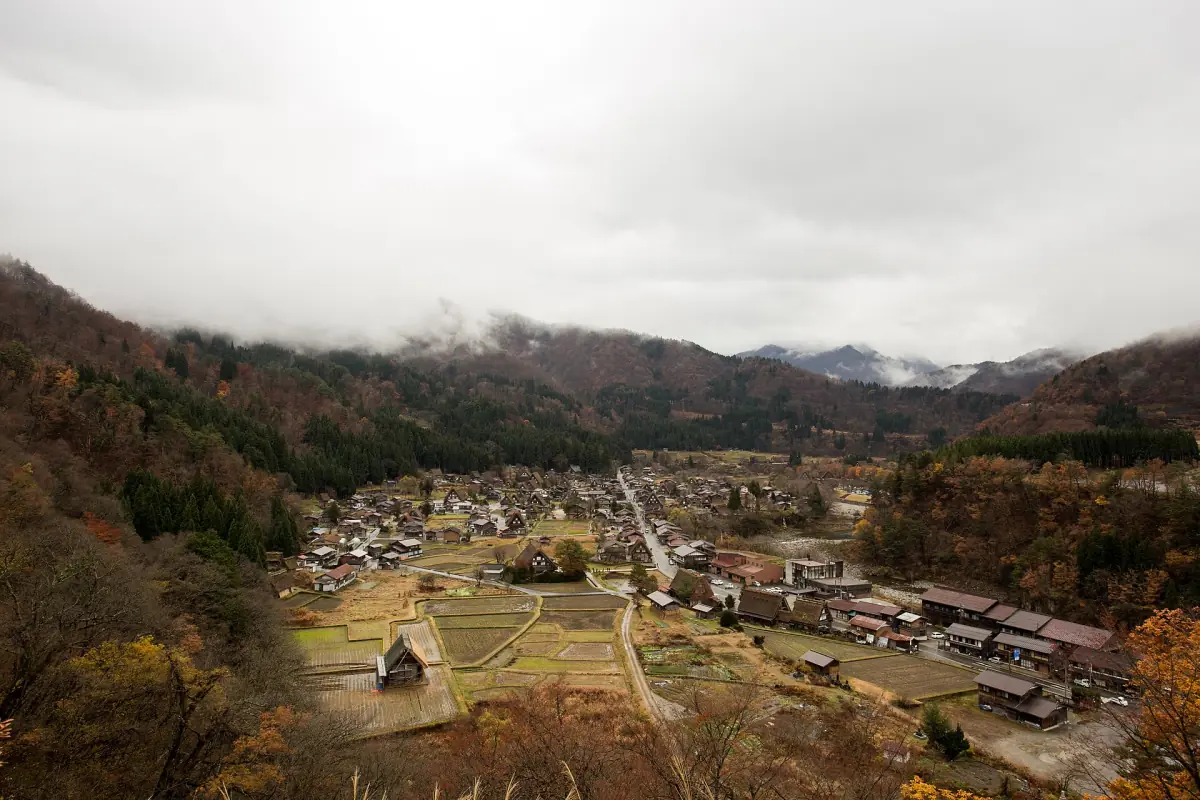
Shirakawago history: silk and saltpeter
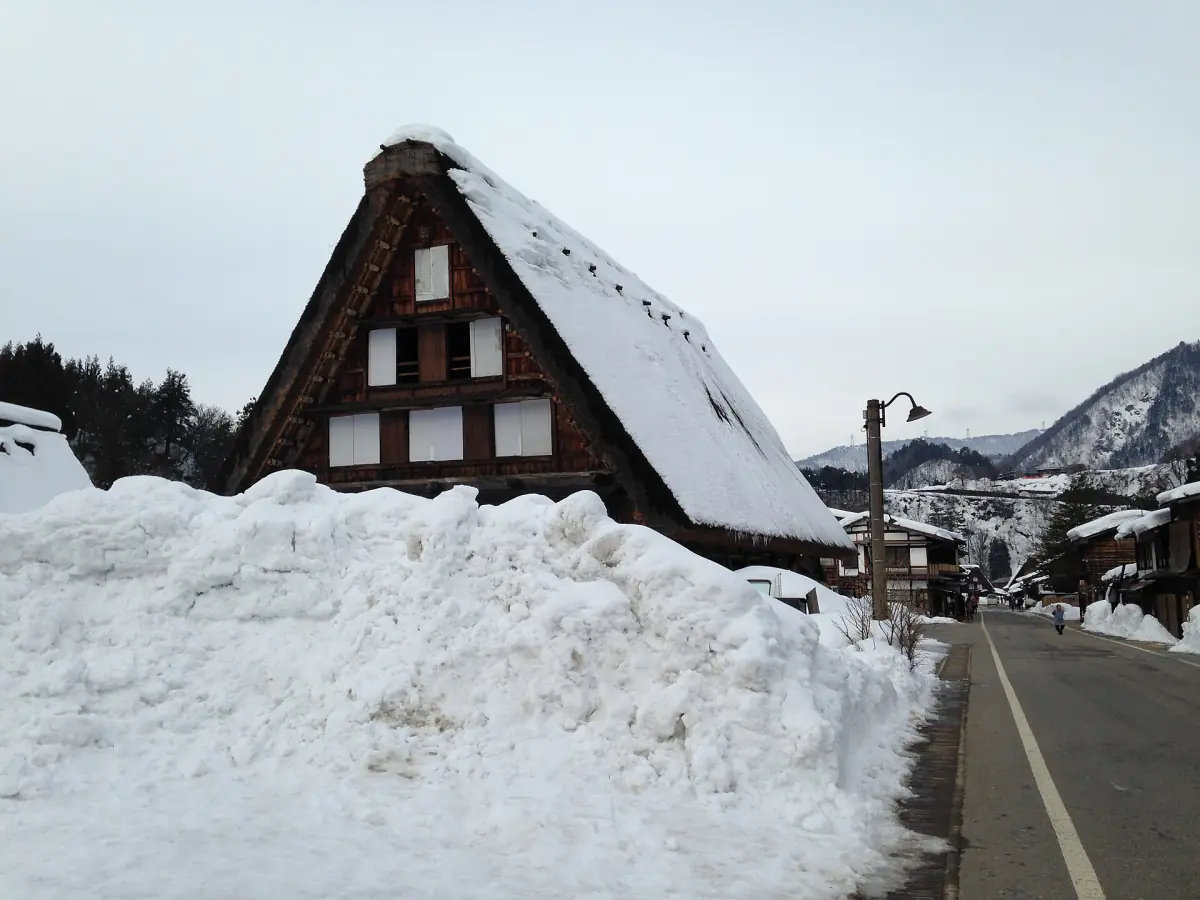
Mulberry growing and silkworm farming shaped life in these mountain villages. That is why the roofs have large attic spaces, as you can read on the gassho-zukuri page.
Silk was not the only trade. The Wada family dealt in raw silk and in components of gunpowder, and at Kanda House the former production area under the floor is shown. The municipality describes a historic house outside Ogimachi in the same way, with living space downstairs, silkworm farming on the upper floors and saltpeter production under the floor. Not every house was used in exactly the same way.
Our pick: a half-day walk with an English-speaking guide
A guide explains the village as you walk, in about two hours.
Hand-picked tours, booked through Viator. Prices are indicative starting prices in US dollars (as of October 2026). Tap a tour for live availability and the current price in your currency.
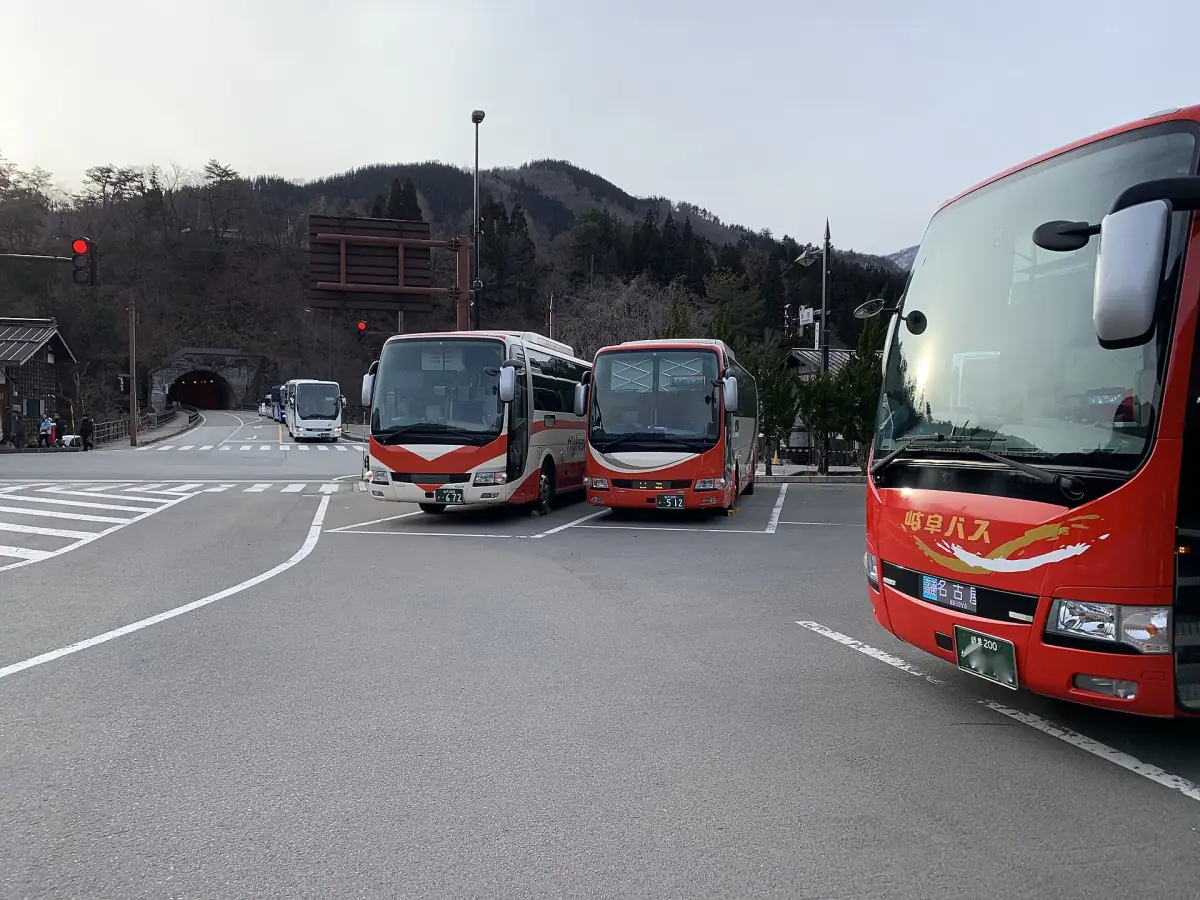
A guided walk in Shirakawa-go
A two-hour guided walk with an English-speaking guide takes you through the village. The tour is a walk, not a lecture on history, so check what is included.
Yui and Koryaku: how the villages helped each other
Yui means mutual aid and labour exchange, above all when a thatched roof had to be replaced, which no household could do alone. It is part of village life, not a show for visitors. A municipal text distinguishes it from Koryaku: Yui is an exchange where work is returned, while Koryaku is help with building a house, family events or emergencies without any formal obligation to repay.
If you stand in front of a roof in Ogimachi today, you are looking at that shared effort. For visiting the houses themselves, see things to do in Shirakawago.
The Doburoku festival in October
Each year the shrines of the villages hold the Doburoku festival. Shirakawa Hachiman in Ogimachi celebrates on 14 and 15 October, Hatogaya Hachiman on 16 and 17 October and Iijima Hachiman on 18 and 19 October. The programme includes prayers for the harvest, processions and lion dances. The Doburoku ceremony starts at about 15:00 and the serving at about 15:30 to 17:00, but times differ from shrine to shrine.
The rules are simple: Doburoku is served only within the shrine grounds and only in the commemorative cups provided by the shrine, and you may not pour it into a container to take away. Check the current programme before you plan a trip around the festival.
Hosui water drill
On 25 October 2026 a joint fire safety drill with about 60 water cannons was reported by a local television station, starting at 08:00. That is a report about a past event, not a date for the future.
FAQ about the history of Shirakawa-go
When did Shirakawa-go become a World Heritage site?
In 1995, as the Historic Villages of Shirakawa-go and Gokayama, under criteria (iv) and (v).
Which villages belong to the World Heritage site?
Ogimachi in Gifu Prefecture and Ainokura and Suganuma in Toyama Prefecture. Gokayama has its own page on this site.
When is the Doburoku festival?
The shrines hold it each year from 14 to 19 October, each at its own days. Check the current programme before you travel.
Is this the official site of the village or UNESCO?
No. This is an independent guide, not the official website of Shirakawa village, the tourism association or UNESCO.